

Hey there! I'm a supplier of car parts for tour coaches, and I often get asked about what kind of lubricants to use for the moving parts of these big vehicles. Well, I'm here to break it down for you in simple terms.
First off, let's talk about why lubrication is so important. Moving parts in a tour coach, like the engine, transmission, and various joints, generate a lot of friction. Friction means heat, and too much heat can cause wear and tear on these parts, leading to breakdowns and costly repairs. That's where lubricants come in. They reduce friction, keep the parts cool, and extend the lifespan of your coach's components.
Engine Lubricants
The engine is the heart of your tour coach, and using the right lubricant is crucial. Most modern tour coaches run on diesel engines, and they require high - quality diesel engine oils. These oils are formulated to handle the high compression ratios and the specific demands of diesel combustion.
One of the key factors to consider is the viscosity of the oil. Viscosity refers to how thick or thin the oil is. In colder climates, you'll want an oil with a lower viscosity, like 5W - 30. The "5W" indicates that the oil flows well in cold temperatures, which is important for easy starting. The "30" represents its viscosity at operating temperature. In warmer regions, a higher viscosity oil like 15W - 40 might be more suitable.
Synthetic oils are also a great option for tour coach engines. They offer better performance in extreme temperatures, both hot and cold. They have better resistance to oxidation, which means they last longer and keep the engine cleaner. However, they can be a bit more expensive than conventional oils.
Transmission Lubricants
The transmission in a tour coach is responsible for transferring power from the engine to the wheels. There are different types of transmissions, such as manual and automatic, and each requires a specific type of lubricant.
For manual transmissions, a gear oil is typically used. Gear oils are designed to protect the gears from wear and provide smooth shifting. They have additives that help reduce friction and prevent corrosion. Make sure to check your coach's manual to see what viscosity and type of gear oil is recommended.
Automatic transmissions, on the other hand, need a special automatic transmission fluid (ATF). ATF not only lubricates the moving parts but also acts as a hydraulic fluid to operate the transmission's valves and clutches. Using the wrong ATF can cause shifting problems and damage the transmission. There are different specifications for ATF, so again, refer to your coach's manual.
Suspension and Steering Lubricants
The suspension and steering systems in a tour coach are essential for a smooth and safe ride. These systems have many moving parts, like ball joints, tie rod ends, and bushings, that need to be lubricated.
For these components, a grease is often used. Grease is a thick lubricant that stays in place better than oil. It provides long - term protection against wear and corrosion. There are different types of grease, such as lithium - based and molybdenum disulfide - based greases. Lithium - based greases are versatile and work well in most applications. Molybdenum disulfide - based greases are more suitable for high - load applications, like heavy - duty ball joints.
When lubricating these parts, make sure to follow the manufacturer's recommendations. Over - greasing can cause problems, such as attracting dirt and debris, which can lead to premature wear.
Door Hinges and Locks
Tour coaches have many doors, including passenger doors and luggage compartment doors. The hinges and locks on these doors also need to be lubricated regularly. A light oil or a silicone - based lubricant is usually a good choice for these parts.
Light oils, like WD - 40, can penetrate into the small spaces of the hinges and locks, loosening any rust or debris and providing smooth operation. Silicone - based lubricants are great because they don't attract dust and dirt as much as other oils. They also provide a long - lasting lubricating effect.
Other Moving Parts
There are other moving parts in a tour coach that might need lubrication, such as the Curtain Double Hook. For these small components, a simple household oil or a specialized small - part lubricant can be used. Just a few drops can make a big difference in the smooth operation of these parts.
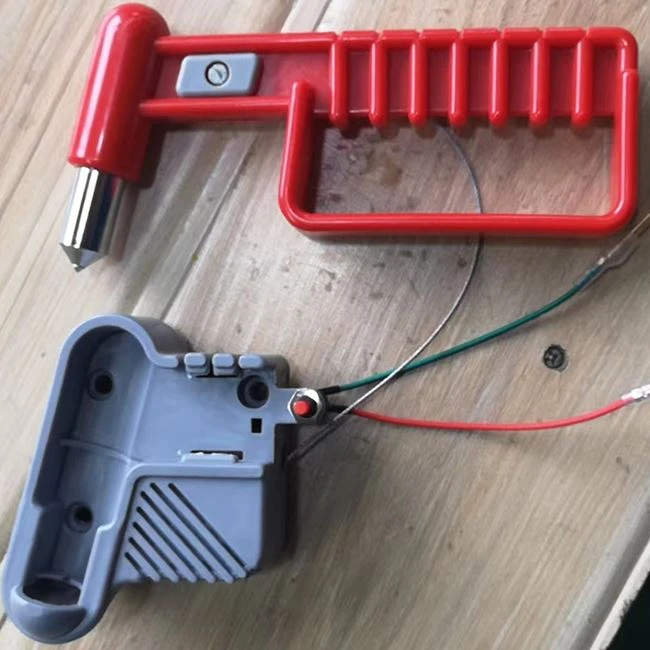
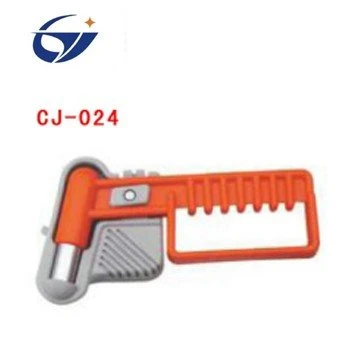
Now, let's talk about some safety - related parts. The Safety Hammer Wtih Alarm is an important safety device in a tour coach. Although it doesn't require lubrication, it's a crucial part that should be checked regularly to ensure it's in working condition. And for the passengers' comfort, the Bus Plastic Passenger Seat is a great option. While it doesn't have moving parts that need lubrication, it's important to choose high - quality seats for a pleasant journey.
As a supplier of car parts for tour coaches, I can offer you a wide range of lubricants and other parts to keep your coach in top shape. Whether you need engine oil, transmission fluid, or grease for your suspension, I've got you covered.
If you're interested in purchasing any of these parts or have questions about lubrication for your tour coach, feel free to reach out. I'm here to help you make the right choices and ensure the smooth operation of your vehicles.
References
- "Automotive Lubricants Handbook" by John M. Criddle
- Manufacturer's manuals for tour coaches and their components