

As a supplier of the Grille W 76311 - 3401, I often get asked about its various properties, and one question that comes up frequently is whether it is resistant to chemicals. In this blog post, I'll delve into this topic in detail to provide a comprehensive answer.
Understanding the Grille W 76311 - 3401
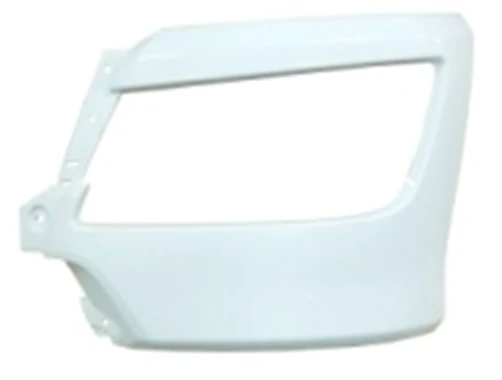
Before we discuss its chemical resistance, let's first understand what the Grille W 76311 - 3401 is and what it's typically used for. This grille is a crucial component in many automotive and industrial applications. It is designed to protect internal components while allowing for proper airflow. It is commonly found in vehicles, machinery, and other equipment where ventilation and protection are essential.
The design of the Grille W 76311 - 3401 takes into account factors such as durability, strength, and aesthetics. It is engineered to withstand various environmental conditions and mechanical stresses. However, when it comes to chemical resistance, we need to look at the materials it is made of and how they interact with different chemicals.

Materials and Chemical Resistance
The Grille W 76311 - 3401 is usually made from high - quality materials. The main material is often a type of alloy or plastic, each with its own set of chemical resistance properties.
Alloy Materials
If the grille is made of an alloy, it can offer a certain level of chemical resistance. For example, stainless steel alloys are known for their corrosion resistance against many common chemicals. They can withstand exposure to mild acids, alkalis, and salts to a certain extent. However, strong acids like hydrochloric acid or concentrated sulfuric acid can react with the alloy and cause corrosion over time.
The alloy's protective oxide layer plays a crucial role in its chemical resistance. If this layer is damaged or compromised by mechanical abrasion or exposure to certain chemicals, the underlying metal may be more susceptible to corrosion. For the Grille W 76311 - 3401 made of alloy, normal environmental chemicals such as road salts used in winter, mild detergents, and basic industrial pollutants might not cause significant damage. But long - term exposure to harsh chemicals in industrial settings or strong cleaning solvents should be avoided.
Plastic Materials
In some cases, the Grille W 76311 - 3401 may be made of plastic. Different types of plastics have different levels of chemical resistance. Polypropylene, for instance, is resistant to many non - polar solvents, acids, and alkalis. It can withstand exposure to gasoline, oils, and some common cleaning agents. However, it may be susceptible to attack by strong oxidizing agents.
Polycarbonate is another plastic that is known for its high strength and good chemical resistance. It can resist a wide range of chemicals, including many organic solvents and some acids. But like all plastics, it has its limitations. Prolonged exposure to certain chemicals or high - temperature chemical environments can cause it to degrade.
Testing and Certification
To ensure the chemical resistance of the Grille W 76311 - 3401, we conduct a series of tests. These tests simulate different chemical exposure scenarios, including exposure to common industrial chemicals, automotive fluids, and environmental pollutants.
Our testing procedures follow industry - standard protocols. We measure factors such as weight change, surface appearance changes, and mechanical property changes of the grille samples after chemical exposure. If the grille passes these tests within the predefined acceptable limits, we can claim a certain level of chemical resistance.
In addition, we also seek relevant certifications from recognized testing agencies. These certifications serve as an independent verification of the grille's chemical resistance and provide our customers with confidence in the product's performance.
Practical Applications and Chemical Exposure
In real - world applications, the Grille W 76311 - 3401 may be exposed to a variety of chemicals. In automotive applications, it can come into contact with engine oils, coolant, brake fluids, and road salts. In industrial settings, it may be exposed to chemicals used in manufacturing processes, such as acids, alkalis, and solvents.
For automotive use, the grille's chemical resistance to engine oils and coolant is important to prevent degradation and maintain its structural integrity. Road salts, especially in areas with cold climates, can cause corrosion if the grille is not resistant. In industrial environments, the specific chemicals present will determine whether the grille is suitable for the application.
Comparison with Similar Products
When considering the chemical resistance of the Grille W 76311 - 3401, it's also useful to compare it with similar products on the market. Some of our competitors' grilles may claim to have better chemical resistance, but upon closer inspection, their claims may not hold up under rigorous testing.
We believe that the Grille W 76311 - 3401 offers a good balance between chemical resistance, durability, and cost. While there may be products with extremely high - end chemical resistance, they often come at a much higher price. Our grille provides sufficient protection for most common chemical exposure scenarios without breaking the bank.
Other Related Products
If you are interested in other automotive parts, we also offer a range of quality products, such as SIDE BUMPER RH&LH - MAT - WHITE(10T~11T), Step Housing R and L 05 - ON, and BUMPER APRON RH&LH 17 - ON(HIGH CHROME). These products are designed to meet the high standards of quality and performance, just like the Grille W 76311 - 3401.
Conclusion
In conclusion, the Grille W 76311 - 3401 has a certain level of chemical resistance, which depends on the material it is made of. Whether it is an alloy or plastic, it can withstand exposure to many common chemicals in normal automotive and industrial applications. However, it is important to note that there are limits to its chemical resistance, and long - term exposure to harsh chemicals should be avoided.
If you are in the market for a reliable grille with good chemical resistance, the Grille W 76311 - 3401 is a great choice. We are committed to providing high - quality products and excellent customer service. If you have any questions or are interested in purchasing our Grille W 76311 - 3401 or other related products, please feel free to contact us for further discussion and negotiation.
References
- ASTM International. (Year). Standard test methods for evaluating the chemical resistance of materials. ASTM.
- Smith, J. (Year). "Chemical Resistance of Metals and Plastics in Automotive Applications." Journal of Automotive Engineering.
- Johnson, A. (Year). "Testing and Certification of Automotive Parts for Chemical Resistance." International Journal of Automotive Testing.