

Hey there! As a bus parts supplier, I've seen my fair share of bus door handle parts that could use a little TLC. Lubricating these parts is super important to keep the doors working smoothly and to extend the life of the handles. In this blog, I'll walk you through how to lubricate bus door handle parts like a pro.
Why Lubrication Matters
Before we dive into the how-to, let's talk about why lubricating bus door handle parts is such a big deal. Over time, dirt, grime, and normal wear and tear can cause the moving parts of the door handle to become stiff or even seize up. This not only makes it difficult for passengers to open and close the doors but can also lead to more serious mechanical problems down the road.
Lubrication helps reduce friction between the moving parts, which in turn makes the handles easier to operate. It also protects the metal from corrosion and rust, which can weaken the parts and cause them to break. By regularly lubricating the door handle parts, you can save yourself a lot of time and money on repairs and replacements.
What You'll Need
To lubricate the bus door handle parts, you'll need a few basic tools and supplies:
- Lubricant: There are several types of lubricants available, but for bus door handle parts, I recommend using a silicone-based or graphite lubricant. These types of lubricants are great because they don't attract dirt and dust like oil-based lubricants do, and they provide long-lasting protection against friction.
- Cleaning cloth: You'll need a clean cloth to wipe down the parts before and after lubrication. This helps remove any dirt or debris that could interfere with the lubricant's effectiveness.
- Brush or applicator: A small brush or applicator can be helpful for getting the lubricant into hard-to-reach places. You can use a paintbrush or a specialized lubricant applicator.
Step-by-Step Guide to Lubricating Bus Door Handle Parts
Now that you have everything you need, let's get started on lubricating the bus door handle parts. Here's a step-by-step guide:
Step 1: Clean the Parts
Before you apply any lubricant, it's important to clean the door handle parts thoroughly. Use the cleaning cloth to wipe away any dirt, dust, or grime from the handles, hinges, and other moving parts. Pay special attention to the areas where the parts rub against each other, as this is where the most friction occurs.
If there are any stubborn stains or debris, you can use a mild detergent and water to clean the parts. Just make sure to dry them completely before applying the lubricant.

Step 2: Identify the Lubrication Points
Next, you'll need to identify the areas of the door handle parts that need to be lubricated. This typically includes the hinges, pivot points, and any other moving parts. You can refer to the bus manufacturer's manual or consult with a professional mechanic if you're not sure where these points are.
Step 3: Apply the Lubricant
Once you've identified the lubrication points, it's time to apply the lubricant. Using the brush or applicator, apply a small amount of lubricant to each point. Be careful not to overapply the lubricant, as this can attract dirt and dust and cause more problems than it solves.
For hard-to-reach areas, you can use a spray lubricant. Just make sure to follow the manufacturer's instructions and use the spray in a well-ventilated area.
Step 4: Work the Lubricant In
After applying the lubricant, work it into the parts by opening and closing the door handle several times. This helps distribute the lubricant evenly and ensures that it reaches all the moving parts.
You may need to repeat this step a few times to get the best results. Just keep working the handle until it moves smoothly and easily.
Step 5: Wipe Away Excess Lubricant
Once you've worked the lubricant in, use the cleaning cloth to wipe away any excess lubricant from the parts. This helps prevent the lubricant from attracting dirt and dust and keeps the parts looking clean and professional.
Additional Tips and Tricks
Here are a few additional tips and tricks to help you lubricate bus door handle parts effectively:
- Regular maintenance: Make lubricating the bus door handle parts a part of your regular maintenance routine. Depending on how often the buses are used, you may need to lubricate the parts every few months or even every few weeks.
- Inspect the parts: While you're lubricating the door handle parts, take a few minutes to inspect them for any signs of wear or damage. If you notice any cracks, breaks, or other problems, replace the parts as soon as possible to prevent further damage.
- Use the right lubricant: As I mentioned earlier, it's important to use a silicone-based or graphite lubricant for bus door handle parts. Avoid using oil-based lubricants, as these can attract dirt and dust and cause more problems than they solve.
Other Bus Parts We Offer
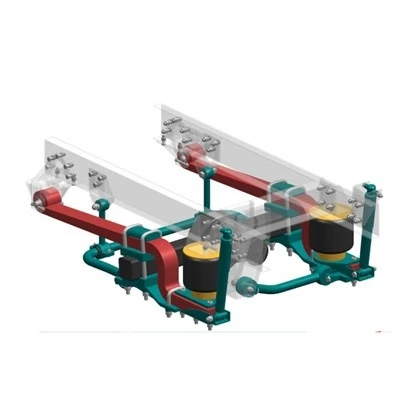
In addition to providing tips on lubricating bus door handle parts, we also offer a wide range of high-quality bus parts. If you're in the market for new bus parts, check out our Tourist Bus Front Air Suspension CJFD70, Tourist Bus Front Air Suspension CJR85, and Tourist Bus Front Air Suspension CJR95. These air suspensions are designed to provide a smooth and comfortable ride for your passengers, and they're built to last.
Contact Us for Procurement
If you have any questions about lubricating bus door handle parts or if you're interested in purchasing any of our bus parts, don't hesitate to contact us. We're here to help you keep your buses running smoothly and efficiently. Whether you're a small bus company or a large transportation provider, we have the parts and expertise you need to get the job done right.
References
- Automotive Maintenance and Light Repair, Sixth Edition, by Daniel J. Moran
- The Complete Idiot's Guide to Car Maintenance and Repair, by Dennis Parks