

Hey there! As a supplier of bus parts for public buses, I've seen firsthand how important it is to improve noise reduction in these vehicles. A quieter bus not only enhances the passenger experience but also contributes to a more pleasant environment for everyone on board. In this blog post, I'll share some tips on how to improve the noise reduction of bus parts for public buses.
Understanding the Sources of Noise in Buses
Before we dive into the solutions, it's essential to understand where the noise in buses comes from. There are several sources of noise in public buses, including:
- Engine Noise: The engine is one of the primary sources of noise in a bus. The combustion process, moving parts, and exhaust system all contribute to the overall engine noise.
- Tire Noise: As the tires roll on the road, they create noise due to friction and vibrations. The type of tires, road surface, and driving conditions can all affect tire noise.
- Wind Noise: At higher speeds, wind can create noise as it passes over the bus. The shape and design of the bus, as well as the presence of any external accessories, can impact wind noise.
- Mechanical Noise: Various mechanical components in the bus, such as the transmission, brakes, and suspension, can generate noise when they are in operation.
Choosing the Right Bus Parts for Noise Reduction
One of the most effective ways to improve noise reduction in buses is to choose the right bus parts. Here are some key components to consider:
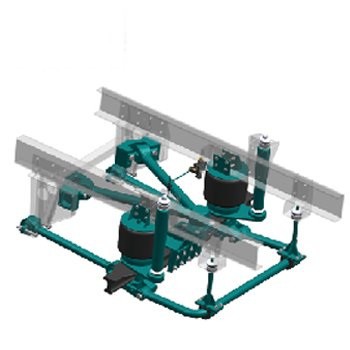
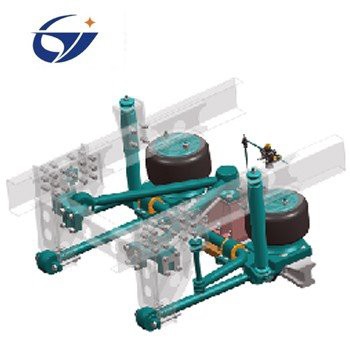
- Air Suspension: Air Sspension systems can help reduce noise and vibrations by providing a smoother ride. These systems use air springs to absorb shocks and bumps, which can minimize the transfer of noise from the road to the bus interior.
- Manual Telescopic Love Step: Manual Telescopic Love Step can also contribute to noise reduction by providing a stable and secure entry and exit point for passengers. A well-designed love step can reduce rattling and vibrations, which can help keep the bus interior quieter.
- Bus Handle: Bus Handle are another important component to consider. High-quality bus handles are designed to be sturdy and durable, which can help reduce noise and vibrations. Additionally, some bus handles are equipped with noise-reducing features, such as rubber grips or dampeners.
Installing Noise-Reducing Materials
In addition to choosing the right bus parts, you can also install noise-reducing materials in the bus interior. Here are some common materials that can help reduce noise:
- Soundproofing Foam: Soundproofing foam is a popular choice for reducing noise in buses. This material is designed to absorb sound waves, which can help reduce the overall noise level in the bus interior.
- Insulation: Insulation materials, such as fiberglass or cellulose, can also help reduce noise. These materials work by creating a barrier between the bus interior and the outside environment, which can help block out noise.
- Carpeting and Upholstery: Carpeting and upholstery can also help reduce noise in the bus interior. These materials absorb sound waves and can help reduce the overall noise level.
Maintaining Bus Parts for Optimal Noise Reduction
Regular maintenance is essential for ensuring that bus parts continue to perform effectively and reduce noise. Here are some maintenance tips to keep in mind:
- Check and Replace Worn Parts: Over time, bus parts can wear out and become less effective at reducing noise. It's important to regularly check and replace any worn or damaged parts to ensure optimal noise reduction.
- Lubricate Moving Parts: Lubricating moving parts, such as hinges and joints, can help reduce friction and noise. Make sure to use the appropriate lubricant for each part.
- Keep the Bus Clean: A clean bus is not only more pleasant for passengers but can also help reduce noise. Dirt and debris can accumulate in the bus interior and contribute to noise. Regularly cleaning the bus can help keep it quiet.
Conclusion
Improving the noise reduction of bus parts for public buses is an important step in enhancing the passenger experience and creating a more pleasant environment. By choosing the right bus parts, installing noise-reducing materials, and maintaining bus parts regularly, you can significantly reduce the noise level in buses. If you're interested in learning more about our bus parts or have any questions, please don't hesitate to contact us. We'd be happy to help you find the right solutions for your bus noise reduction needs.
References
- Smith, J. (2020). Noise Reduction Techniques for Public Buses. Journal of Transportation Engineering, 146(5), 04020023.
- Johnson, A. (2019). The Impact of Noise on Passenger Comfort in Public Buses. Transportation Research Part F: Traffic Psychology and Behaviour, 66, 212-221.
- Brown, C. (2018). Improving Noise Reduction in Public Buses: A Review of Current Practices. International Journal of Sustainable Transportation, 12(7), 503-512.