

As a trusted bus parts supplier, we understand the critical role that every component plays in the efficient operation of a bus. Among these components, the radiator is vital for maintaining the engine's optimal temperature, and the radiator fins are an essential part of the radiator system. In this blog post, we'll guide you through the process of cleaning bus radiator fins, ensuring your bus runs smoothly and efficiently.
Why Clean Bus Radiator Fins?
Bus radiator fins are thin, metallic structures that increase the surface area of the radiator, allowing for better heat dissipation. Over time, these fins can become clogged with dirt, debris, insects, and other contaminants. When this happens, the radiator's ability to cool the engine is significantly reduced, leading to overheating, increased fuel consumption, and potential engine damage. Regularly cleaning the radiator fins can prevent these issues, extend the lifespan of the radiator, and improve the overall performance of the bus.

Tools and Materials Needed
Before you start cleaning the radiator fins, gather the following tools and materials:
- Compressed air source (such as an air compressor or a can of compressed air)
- Soft-bristled brush
- Radiator fin comb
- Mild detergent
- Water source (such as a hose or a pressure washer)
- Safety goggles and gloves
Step-by-Step Cleaning Process
Step 1: Prepare the Bus
First, ensure the bus is parked in a well-ventilated area and the engine is completely cooled down. This is crucial to avoid any risk of burns from hot engine components. Put on your safety goggles and gloves to protect yourself from debris and cleaning chemicals.
Step 2: Inspect the Radiator Fins
Carefully examine the radiator fins for any signs of damage, such as bent or crushed fins. If you notice any significant damage, it may be necessary to repair or replace the affected fins before cleaning. You can use a radiator fin comb to straighten minor bends in the fins. Gently run the comb through the fins, following the direction of the fins, to realign them.
Step 3: Remove Loose Debris
Use a compressed air source to blow away any loose dirt, dust, and debris from the radiator fins. Start from the front of the radiator and work your way to the back, holding the air nozzle at a slight angle to ensure maximum effectiveness. Pay special attention to the areas where debris tends to accumulate, such as the edges and corners of the radiator.
Step 4: Brush the Fins
After removing the loose debris, use a soft-bristled brush to gently scrub the radiator fins. This will help to dislodge any stubborn dirt or grime that may be stuck to the fins. Be careful not to apply too much pressure, as this could damage the delicate fins. Brush in the direction of the fins to avoid bending them.
Step 5: Prepare the Cleaning Solution
Mix a mild detergent with water in a bucket according to the manufacturer's instructions. The detergent should be gentle enough not to damage the radiator fins but strong enough to remove the dirt and grease. Avoid using harsh chemicals or abrasive cleaners, as these can corrode the fins and reduce their effectiveness.
Step 6: Apply the Cleaning Solution
Using a sponge or a soft cloth, apply the cleaning solution to the radiator fins. Make sure to cover the entire surface of the fins, including the front and back. Allow the cleaning solution to sit on the fins for a few minutes to loosen the dirt and grime.
Step 7: Rinse the Fins
Once the cleaning solution has had time to work, rinse the radiator fins thoroughly with water. You can use a hose or a pressure washer set to a low pressure setting to avoid damaging the fins. Start from the top of the radiator and work your way down, making sure to remove all traces of the cleaning solution.
Step 8: Dry the Fins
After rinsing, use a clean, dry cloth or a compressed air source to dry the radiator fins. This will prevent any water from remaining on the fins, which could lead to rust or corrosion over time.
Step 9: Reinspect the Fins
Once the fins are dry, inspect them again to ensure they are clean and free of debris. If you notice any remaining dirt or grime, repeat the cleaning process until the fins are completely clean.
Maintenance Tips
- Regular Inspections: Conduct regular visual inspections of the radiator fins to detect any signs of damage or clogging early. This will allow you to take proactive measures to prevent more serious problems.
- Protect the Fins: Consider installing a radiator grille or a screen in front of the radiator to prevent large debris from hitting the fins. This can significantly reduce the amount of cleaning required.
- Keep the Engine Compartment Clean: A clean engine compartment can help prevent dirt and debris from reaching the radiator fins. Regularly clean the engine compartment using a compressed air source or a vacuum cleaner.
Related Bus Parts
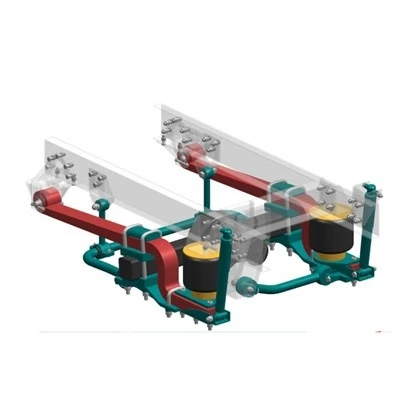
In addition to radiator fins, we also offer a wide range of high-quality bus parts to meet your needs. For example, we have the Tourist Bus Front Air Suspension CJR85, Tourist Bus Front Air Suspension CJR75, and Tourist Bus Front Air Suspension CJR140. These air suspensions are designed to provide a smooth and comfortable ride for passengers while improving the handling and stability of the bus.
Contact Us for Procurement
If you're interested in purchasing bus parts or have any questions about cleaning bus radiator fins, please don't hesitate to contact us. Our team of experts is ready to assist you with your procurement needs and provide you with the best solutions for your buses.
References
- "Bus Maintenance Handbook" - A comprehensive guide to bus maintenance, including radiator care.
- Manufacturer's manuals for bus radiators and related components.