

Cleaning the interior parts of a bus is a crucial task that not only enhances the overall appearance but also contributes to the safety and comfort of passengers. As a reputable Bus Parts supplier, I understand the significance of maintaining the cleanliness of bus interiors. In this blog post, I'll share some effective strategies and methods for cleaning various bus interior parts.
Pre - cleaning Preparation
Before you start the actual cleaning process, it's essential to gather all the necessary tools and cleaning agents. You'll need a vacuum cleaner with various attachments, soft - bristle brushes, microfiber cloths, mild detergents, and disinfectants. It's also a good idea to wear protective gloves and goggles to avoid any contact with harmful chemicals.
Cleaning Seats
Bus seats are one of the most used parts of the interior, and they can accumulate a lot of dirt, stains, and germs. Start by vacuuming the seats thoroughly to remove loose dirt, dust, and debris. Use the crevice tool to clean between the seat cushions and the seams.
For fabric seats, mix a mild detergent with warm water. Dip a microfiber cloth into the solution and gently blot the stained areas. Avoid rubbing vigorously as it can damage the fabric. After cleaning, use a clean, damp cloth to rinse the area and then dry it with a dry microfiber cloth.
If you have leather seats, use a leather cleaner specifically designed for automotive use. Apply the cleaner to a microfiber cloth and wipe the seats in a circular motion. This helps to remove dirt and restore the leather's shine. Follow up with a leather conditioner to keep the leather soft and prevent cracking.
Cleaning Floors
The bus floors take a lot of abuse from passengers' shoes. Begin by sweeping or vacuuming the floor to pick up large debris. For vinyl or rubber floors, a solution of warm water and a mild floor cleaner can be used. Use a mop to apply the solution to the floor and scrub gently. Pay special attention to high - traffic areas such as the entrance and the aisle.

After scrubbing, rinse the floor thoroughly with clean water to remove any remaining cleaner. Make sure to dry the floor completely to prevent slips. For carpeted floors, a carpet cleaner or a steam cleaner can be very effective. Follow the manufacturer's instructions when using these machines.
Cleaning Windows
Clean windows not only improve visibility but also give the bus a more inviting look. Use a glass cleaner and a microfiber cloth to clean the windows. Spray the cleaner onto the cloth rather than directly onto the window to avoid overspray. Wipe the windows in a circular motion, starting from the top and working your way down.
Pay attention to the corners and edges where dirt can accumulate. For stubborn stains, you can use a small amount of vinegar mixed with water. After cleaning, use a dry microfiber cloth to buff the windows to a streak - free shine.
Cleaning Dashboard and Control Panels
The dashboard and control panels are sensitive areas that require careful cleaning. Use a soft - bristle brush to remove dust from the crevices and buttons. Then, dampen a microfiber cloth with a mild cleaner specifically formulated for automotive interiors. Gently wipe the dashboard and control panels, being careful not to get any liquid into the electrical components.
Avoid using abrasive cleaners or rough cloths as they can scratch the surfaces. After cleaning, dry the area with a dry microfiber cloth.
Cleaning Air Vents
Dirty air vents can circulate dust and allergens throughout the bus. Use a soft - bristle brush to remove loose dust from the vents. Then, you can use a can of compressed air to blow out any remaining dust. For more thorough cleaning, remove the vent covers if possible and soak them in a solution of warm water and mild detergent.
Scrub the covers gently with a brush to remove dirt and grime. Rinse the covers thoroughly and let them dry completely before reinstalling them.
Cleaning Luggage Racks
Luggage racks can accumulate dust and dirt over time. Start by vacuuming the racks to remove loose debris. Then, use a mild detergent solution and a microfiber cloth to wipe down the racks. Pay attention to the corners and edges where dirt can collect.
For metal racks, you can use a metal polish to restore their shine after cleaning. Make sure the racks are dry before allowing passengers to use them again.
Importance of Regular Cleaning
Regular cleaning of bus interior parts is not just about aesthetics. It also plays a vital role in preventing the spread of diseases. Buses carry a large number of passengers every day, and germs can easily spread through contact with dirty surfaces. By keeping the interior clean, you can create a healthier environment for passengers.
Moreover, proper cleaning and maintenance can extend the lifespan of the bus interior parts. For example, regular conditioning of leather seats can prevent them from cracking, and cleaning the air vents can improve the efficiency of the air - conditioning system.
Our Bus Parts Offerings
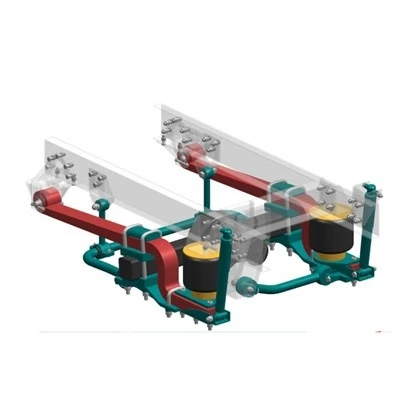
As a Bus Parts supplier, we offer a wide range of high - quality bus parts to meet your needs. For instance, we have the Tourist Bus Front Air Suspension CJFD75, Tourist Bus Front Air Suspension CJR85, and Tourist Bus Front Air Suspension CJR75. These air suspensions are designed to provide a smooth and comfortable ride for passengers.
Contact for Procurement
If you are interested in purchasing our bus parts or have any questions about cleaning and maintaining bus interior parts, please feel free to contact us. We are always ready to assist you with your procurement needs and provide professional advice.
References
- "Automotive Interior Cleaning Guide" by Car Care Council
- "Bus Maintenance Best Practices" by National Bus Manufacturer's Association