

Regular lubrication of bus parts is a topic that has gained significant attention in the public transportation industry. As a supplier of bus parts for public buses, I have witnessed firsthand the impact of proper lubrication on the performance and longevity of these essential components. In this blog post, I will delve into the importance of regular lubrication for bus parts, explore the types of parts that require lubrication, and discuss the benefits of implementing a lubrication maintenance schedule.
The Importance of Regular Lubrication
Lubrication plays a crucial role in the operation of public buses. It reduces friction between moving parts, which in turn minimizes wear and tear, extends the lifespan of components, and improves overall efficiency. Without proper lubrication, bus parts can experience excessive heat, corrosion, and mechanical stress, leading to premature failure and costly repairs.
One of the primary functions of lubrication is to create a protective barrier between two surfaces in contact. This barrier helps to prevent metal-to-metal contact, which can cause abrasion and damage. By reducing friction, lubrication also helps to lower energy consumption, as the engine and other components do not have to work as hard to overcome resistance.
In addition to reducing friction, lubrication also helps to dissipate heat. As bus parts move, they generate heat due to friction. If this heat is not properly dissipated, it can cause the parts to expand, leading to increased wear and potential failure. Lubricants with good thermal conductivity can help to transfer heat away from the critical components, keeping them at a safe operating temperature.
Types of Bus Parts That Require Lubrication
Not all bus parts require lubrication, but there are several key components that benefit greatly from regular maintenance. Here are some of the most common bus parts that should be lubricated:
- Engine Components: The engine is the heart of the bus, and proper lubrication is essential for its smooth operation. Engine oil lubricates the moving parts within the engine, such as the pistons, crankshaft, and camshaft. It also helps to clean the engine by carrying away dirt and debris. Regular oil changes are necessary to ensure that the engine oil remains effective.
- Transmission: The transmission is responsible for transferring power from the engine to the wheels. It contains a complex system of gears and bearings that require lubrication to operate smoothly. Transmission fluid lubricates these components and helps to cool them down. Over time, transmission fluid can break down and lose its effectiveness, so it is important to follow the manufacturer's recommendations for fluid changes.
- Suspension and Steering Components: The suspension and steering systems are crucial for the safety and comfort of passengers. Components such as ball joints, tie rod ends, and bushings require lubrication to reduce friction and prevent wear. Grease is commonly used to lubricate these parts, as it provides long-lasting protection and can withstand high loads.
- Brakes: While brakes do not typically require lubrication in the traditional sense, the brake calipers and pads can benefit from a small amount of lubricant on the contact points. This helps to prevent squeaking and ensures smooth operation of the braking system.
Benefits of Implementing a Lubrication Maintenance Schedule
Implementing a regular lubrication maintenance schedule for public buses offers several benefits, including:

- Extended Component Lifespan: By reducing friction and wear, regular lubrication can significantly extend the lifespan of bus parts. This means fewer replacements and lower maintenance costs over the long term.
- Improved Performance: Properly lubricated parts operate more smoothly and efficiently, resulting in improved overall performance. The engine runs more quietly, the transmission shifts more smoothly, and the suspension and steering systems respond more precisely.
- Enhanced Safety: Well-lubricated components are less likely to fail unexpectedly, which is crucial for the safety of passengers and drivers. By reducing the risk of mechanical failures, regular lubrication helps to ensure that buses operate safely on the roads.
- Cost Savings: While lubrication maintenance does require an investment of time and money, it can ultimately save money in the long run. By preventing premature component failure and reducing the need for costly repairs, regular lubrication can help to keep maintenance costs under control.
Our Products and Services
As a supplier of bus parts for public buses, we offer a wide range of high-quality lubricants and lubrication-related products. Our products are designed to meet the specific needs of public transportation vehicles, ensuring optimal performance and reliability.
- with Induction Manual Flipping Love Step: This innovative product provides a step-by-step guide to proper lubrication techniques, helping bus operators to ensure that their vehicles are properly maintained.
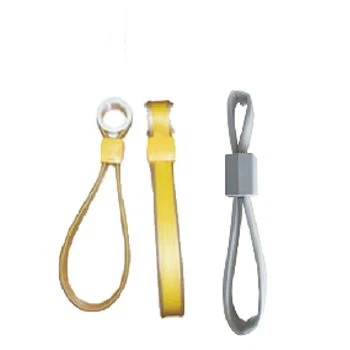
- Bus Belt Griphook: Our bus belt griphooks are designed to securely hold belts in place, preventing slippage and ensuring proper operation of the belt-driven components.
- Bus Plastic Driver Seat: Our comfortable and durable bus plastic driver seats are designed to provide long-lasting support for drivers, even during extended periods of use.
In addition to our products, we also offer expert advice and support to help bus operators develop and implement effective lubrication maintenance schedules. Our team of experienced technicians can provide training on proper lubrication techniques and answer any questions you may have about our products or services.
Conclusion
In conclusion, regular lubrication of bus parts is essential for the performance, reliability, and safety of public buses. By reducing friction, dissipating heat, and preventing wear and tear, proper lubrication can extend the lifespan of components, improve performance, and save money in the long run. As a supplier of bus parts for public buses, we are committed to providing high-quality lubricants and lubrication-related products, as well as expert advice and support to help bus operators keep their vehicles in top condition.
If you are interested in learning more about our products and services, or if you have any questions about bus part lubrication, please do not hesitate to contact us. We look forward to the opportunity to work with you and help you keep your public buses running smoothly.
References
- Automotive Lubricants Handbook, Society of Automotive Engineers (SAE)
- Maintenance and Lubrication Guide for Public Transportation Vehicles, American Public Transportation Association (APTA)