

Corner Bumper For Benz
Cost Effective Services
In the "integrity-based, market Founding" purposes, with talent, information, quality, efficiency as the fundamental, have been providing our clients with first-class products and services. In the future, we will keep improving the product chain and being efficient, we are sure, our standardized management ,Excellent quality, perfect service and reasonable prices and most of all, our sincere attitude to work, can bloom into a famous and professional brand!
Long Standing Relationships
Trust is the foundation of all relationships. We earn our client's trust with consistent delivery of excellent service and intelligent, personable interaction.
Timely Communication
We deliver a steady flow of updates combined with mindfully responsive answers to client questions. Our goal is to preempt the ask.
OUR SERVICE
We hope you will come to visit our factory. Our professional reception staff will make you enjoy the jorney. No matter how big or small the final order is, We will give you the best products to ensure that they are safe and your experience in our company will impress you deeply. Welcome to visit our factory and develop business together.
What is Corner Bumper For Benz
Bumpers feature protruding shrouds of plastic or metal, called bumper covers, that surround energy-absorbing materials. They are designed to absorb impact to the front and rear of vehicles and minimize low-speed collision damage.


Right corner bumper with fog lamp hole fit for M-BENZ ACTROS MPII TRUCK.

Left corner bumper with fog lamp hole fit for M-BENZ ACTROS MPII TRUCK.


Upper step panel fit for DAF XF95 SER. I & II, right and left is the same upper step panel.

Middle step panel fit for DAF XF95 SER. I & II, right and left is the same upper step panel.

Lower step panel fit for DAF XF95 SER. I & II, right and left is the same upper step panel.
In the context of a car, a bumper is a structure attached to the front and rear of a vehicle. Its primary purpose is to absorb impact in a collision, protecting the vehicle and its occupants by minimizing damage to the car's body and frame. Bumpers are typically made of materials such as steel, aluminum, plastic, or a combination of these materials.
Modern bumpers also play a role in enhancing the aerodynamics of the vehicle and may house components like sensors, lights, and other safety features. Some bumpers are designed to be visually appealing and may have decorative elements or be painted to match the rest of the car's body.
What Are The Different Types Of Materials Used To Make Car Bumpers?
Car bumpers can be made from a variety of different materials, including:
Plastic/Polymer
• Thermoplastic olefins (TPO) - A lightweight and cost-effective option.
• Polycarbonate (PC) - Provides good impact resistance.
• Acrylonitrile butadiene styrene (ABS) - Offers a balance of strength, rigidity, and impact resistance.
Metal
• Steel - Traditional and durable, but heavier than other options.
• Aluminum - Lightweight and corrosion-resistant.
Composite materials
• Fiberglass-reinforced plastic (FRP) - Combines the strength of fiberglass with the moldability of plastic.
• Carbon fiber-reinforced plastic (CFRP) - Extremely lightweight and strong, but more expensive.
Hybrid materials
Combinations of the above materials, such as a plastic outer shell with a metal reinforcing structure, to leverage the advantages of multiple materials.
How Often Should I Check the Condition of My Car's Bumpers?
Here are some general guidelines for how often you should check the condition of your car's bumpers:
Visually inspect the bumpers monthly. Look for any cracks, dents, scrapes or other damage that could compromise their functionality.
Do a more thorough inspection every 6 months. Carefully examine the bumpers for any signs of wear, damage or loose/missing hardware. This can be done when you get the car serviced.
After any minor collision or impact, even if there's no visible damage, have the bumpers professionally inspected. Bumpers can sustain hidden internal damage that needs to be assessed.
If you regularly park in tight spaces or experience frequent low-speed bumps/scrapes, check the bumpers more often, maybe every 3-4 months.
Pay close attention to the bumper condition if you plan to sell the car, as potential buyers will closely inspect them.
How Do Bumpers Absorb Impact During a Collision?
The main purpose of a bumper is to crumple and deform upon impact, dissipating the force of a collision and protecting the vehicle's occupants and the more rigid structure of the car. Bumpers are engineered with this energy absorption in mind.
Here's how it works:
The bumper is mounted to the vehicle's frame using a series of shock-absorbing materials and mechanisms. This includes things like hydraulic dampers, crushable foam, or spring-loaded components.
When the bumper experiences an impact, these shock absorbing elements allow the bumper to deform and crush inward, rather than transmitting all of the force directly to the car's frame.
As the bumper crushes, it converts the kinetic energy of the impact into other forms of energy, like heat and deformation. This helps reduce the peak force felt by the vehicle and its occupants.
Importantly, the bumper is designed to crumple in a controlled, predictable way, so the impact force is gradually absorbed rather than spiking suddenly.
Modern bumpers may also have internal reinforcement beams made of strong materials like steel to help distribute the impact load across the full width of the bumper.
Types of Bumpers
Standard Bumper: Common on passenger vehicles. It has no steps or hitches, just a paint-matched plastic cover containing energy absorbing mechanisms.
Step Bumper: SUVs, trucks and some cars have bumpers with a step-shaped cutout in the center, just below the license plate. These bumpers often have holes for installation of ball hitches.
Cowboy Bumper: These tall, heavy-duty bumpers usually have chrome plating and are most often seen on older trucks. They're made to be noticed and tow heavy trailers.
Tube Bumper: Typically installed on jeeps and lifted trucks, tube bumpers forgo the plastic-shroud. Instead, they rely on a frame of heavy-duty steel tubing to lessen collision damage.
Repairing and Replacing Bumpers
If you're involved in a collision that damages the inner structure of your bumper, get it replaced by a professional. Full bumper replacements aren't cheap. but without the full capacity for energy absorption, you're vulnerable to much greater damage and injury the next time your vehicle hits something.
If it's only your bumper cover that's damaged, there are a few DIY options. You can repair your bumper cover's paint, if it's just scratched; patch and repaint it if it's a small puncture; or install a replacement cover if the damage is too severe to fix.
Relieve the external impact: In the process of vehicle driving, if the vehicle and the pedestrian or other vehicles have collision or impact, the bumper can play a certain role in protecting and reducing the degree of damage to the impacted objects.
Protection of pedestrians: In low-speed collision, the bumper can absorb the energy of the collision, reduce the injury to pedestrians.
Decorative: Modern automobile bumper design not only has a protective effect, but also can play a role in decorating the body to improve the overall aesthetics of the vehicle.
Improve the vehicle's aerodynamic characteristics: The bumper design also takes into account the improvement of the vehicle's aerodynamic characteristics, in order to improve the vehicle's driving efficiency and stability.
Bumper Selection Tips
Selection by material
1) Plastic: Generally speaking, most of the bumper materials used in vehicles are plastic, and plastic bumpers are sufficient to meet the daily needs, while the price is relatively inexpensive.
2) Steel: Steel bumpers are more suitable for off-road vehicles and other special vehicles, and steel bumpers are usually tougher and more durable, but heavier and more expensive than plastic bumpers.
Choose by color
Choose according to the body color of your car, because choosing a bumper with the same color as the body can make the appearance more harmonious and unified, and also can reduce the impact on the environment.
Selection by car model
We can also choose according to different models, because different models need different bumpers, and choosing the bumper that matches the model can ensure that the quality and safety performance of the bumper meets the requirements.
Selection by brand
Choose according to the brand, when buying bumpers, choose the regular brand products to ensure quality and safety. Moreover, regular brand bumpers usually have better after-sales service, which can provide vehicle owners with more convenient maintenance and more reliable protection.
When the vehicle or driver in the collision force, absorb and moderate the external impact, resulting in a buffer device, play a role in protecting people and cars.
Car bumper is to absorb and moderate the impact of the outside world, protection of the front and rear of the body of the safety device. With the development of the automobile industry, automobile bumper as an important safety device also toward the innovation of the road.
Bumpers are mounted on the front and rear of automobiles, and their surfaces are designed to prevent damage to the outside of the automobile from affecting the safety system inside the automobile. The bumper is irreplaceable for the protection of the automobile. It has the ability to effectively minimize injuries to the occupants of the car in the event of a high-speed impact.
Why Are There Two Bumpers Designed for the Front and Rear of the Car?
The bumper is located in the front and most of the rear of the car, it mainly absorbs and mitigates the external impact, and serves as a safety device to protect the front and rear of the car body.
It is an important part of the automobile body, which not only plays a decorative role, but also protects the wings, radiator and lamps. Since the bumper is composed of several parts, the materials used are also very wide.
With the development of the automobile industry, the current car front and rear bumpers in addition to maintaining the original protective function, but also the pursuit of harmony and unity with the body modeling, according to user needs, bumpers and the body of the same color.
In order to achieve this purpose, the current sedan front and rear bumpers using plastic, known as plastic bumpers.
Bumpers are divided into front bumper and rear bumper, and its role is to moderate the impact when the car is hit by the front and rear direction of the accidental mild low-speed impact, and absorb the energy of the impact.
Its role is to moderate the impact when the car is accidentally hit by the front and rear direction of light low-speed collision, absorb the energy of the collision, reduce the damage to the car, to ensure the safety of drivers and passengers.
Here are some tips for properly inspecting your car's bumpers for signs of wear and tear:
1. Visual Inspection
• Thoroughly examine the entire surface of the front and rear bumpers for any cracks, dents, scratches, or other physical damage.
• Check the bumper corners and edges, as these.
• Look for any gaps or misalignment between the bumper an.
• Inspect the bumper cover, trim pieces, and fasteners for any loose, missing, or damaged components.
2. Physical Inspection
• Run your hands along the bumper edges to feel for any sharp.
• Shake the bumper to check for any looseness or rattling that.
3. Functional
• If your vehicle has bumper-mounted sensors, lights.
• Check that the bumper.
4. Underside Inspection
• Visually inspect the underside of the bumper for any cracks, corrosion, or damage to the mounting brackets an.
• Look for any signs of fluid leaks or damage to the undercarriage components near.
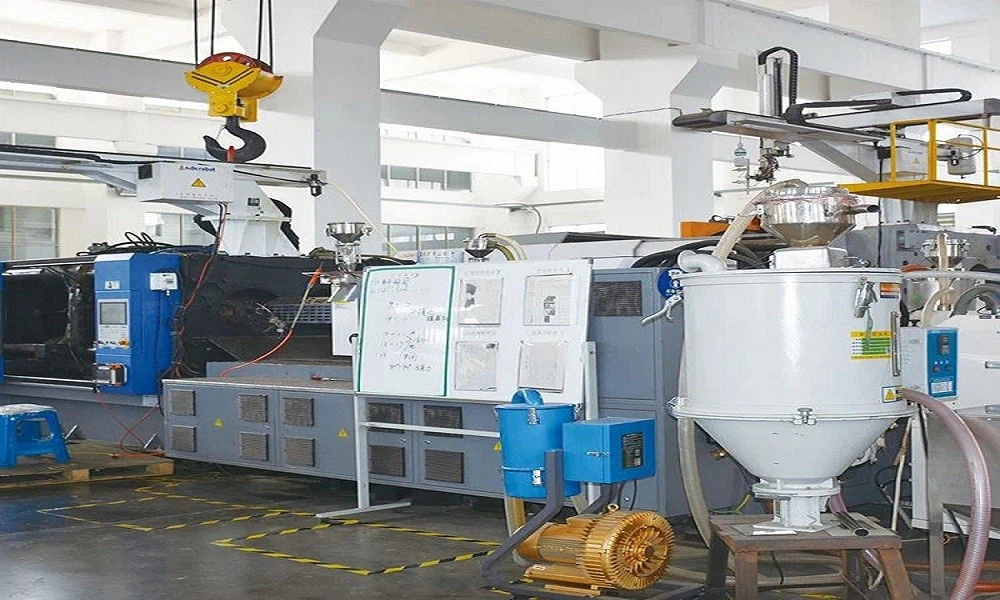
Our factory
Danyang Uniworld Industries co.,ltd, founded in 2016 in the "integrity-based, market Founding" purposes, with talent, information, quality, efficiency as the fundamental, have been providing our clients with first-class products and services. In the future, we will keep improving the product chain and being efficient, we are sure, our standardized management ,Excellent quality, perfect service and reasonable prices and most of all, our sincere attitude to work, can bloom into a famous and professional brand!
FAQ
Hot Tags: corner bumper for benz, China, suppliers, manufacturers, factory, customized, wholesale, buy, in stock, truck body sale eur, eur truck body kits, truck body logo eur, eur truck body springs, eur truck body hardware, eur truck body keys
Send Inquiry
