

Bus Driver Seat
Cost Effective Services
In the "integrity-based, market Founding" purposes, with talent, information, quality, efficiency as the fundamental, have been providing our clients with first-class products and services. In the future, we will keep improving the product chain and being efficient, we are sure, our standardized management ,Excellent quality, perfect service and reasonable prices and most of all, our sincere attitude to work, can bloom into a famous and professional brand!
Long Standing Relationships
Trust is the foundation of all relationships. We earn our client's trust with consistent delivery of excellent service and intelligent, personable interaction.
Timely Communication
We deliver a steady flow of updates combined with mindfully responsive answers to client questions. Our goal is to preempt the ask.
OUR SERVICE
We hope you will come to visit our factory. Our professional reception staff will make you enjoy the jorney. No matter how big or small the final order is, We will give you the best products to ensure that they are safe and your experience in our company will impress you deeply. Welcome to visit our factory and develop business together.
What is Bus Driver Seat
Bus driver seats should provide Lumbar Support along with the ability to adjust the height and alter the shock adjustment. This ensures the safety of all the passengers on the bus along with the bus driver.

Part name:bus Passenger Seat
Seat width:420mm/400mm
Armrest:Lift aluminum handrails, press down aluminum handrails, Iveco handrails
Safety belt:Simple two-point seat belt, self-locking two-point seat belt, self-locking three-point seat belt.

Front Car Full Driver Surround
Part name:Front car full driver surround
Material:High tensile steel tube
Driver door:Top is AR glass

Part name:Front car full driver cover
Material:High tensile steel tube
Driver door:Top is AR glass

Aluminum Alloy Frame Full Driver Surround
Part name:Aluminum alloy frame full driver surround
Material:Aluminum alloy frame
Driver door:Top is AR glass+ bottom is aluminium-plastic panel
Rear driver cover :Top is stalinite+ bottom is aluminium-plastic panel.

Part name:Full driver surround
Material:Aluminum alloy frame
Driver door:Top is AR glass+ bottom is aluminium-plastic panel
Rear driver cover :Top is stalinite+ bottom is aluminium-plastic panel.

Part name:Easy driver surround
Material:High tensile steel tube
Driver door:Aluminum alloy frame

Part name:Driver full cover
Material:Aluminum alloy
Rear driver cover :Top is stalinite+ bottom is aluminium-plastic panel
Driver door:Top is AR glass+ bottom is aluminium-plastic panel.

Part name:Full cover for driver
Material:Aluminum alloy
Rear driver cover :Top is stalinite+ bottom is aluminium-plastic panel
Driver door:Top is AR glass+ bottom is aluminium-plastic panel.

CJRG410 Tourist Bus Four-Axis Welded Torsion Beam Air Suspension
Part name:Tourist bus Four-axis welded torsion beam air suspension
Model:CJRG410
Adaptable bus mode:Container semitrailers, plate semitrailers, box semitrailers and tank semitrailers.
Advantages of Bus Driver Seat
Reduced fatigue
Both air-suspension truck seats and mechanical suspension truck seats are equipped with shock absorption systems to help bus drivers reduce driving fatigue and avoid occupational diseases.
Improved posture
Seats with proper lumbar support and adjustable features promote good posture, reducing the risk of musculoskeletal disorders and back pain.
Enhanced productivity
Comfortable seats contribute to the overall well-being of bus drivers, leading to increased job satisfaction and productivity.
Importance of a Fully Adjustable Bus Driver Seat
A good driver's seat is vital when driving a stop-and-go city bus, and a good driver's seat should be adjustable to accommodate drivers of different heights and sizes. A range of seats are available with adjustable features such as lumbar support, armrests and headrests. Seats are designed to provide maximum comfort and support, which is vital for drivers who spend long hours on the road.
On stop-and-go city buses, drivers are constantly shifting gears, braking and accelerating. The fully adjustable seat is designed to provide support during these maneuvers. The seat has a high backrest to support the driver's upper back and neck. The seat is also equipped with a headrest to prevent whiplash in the event of an accident.
The fully adjustable seat also features adjustable armrests to reduce arm and shoulder fatigue. The armrests are set at a comfortable height to keep the driver in a relaxed position. The seat also features a footrest to reduce leg and foot fatigue. The fully adjustable seat is made of durable materials that can withstand daily wear and tear. The seats are easy to clean and maintain, which is essential to keep the bus hygienic. The seats are also designed for easy adjustment and replacement in case of damage.
Good driver seating is vital when driving stop-start city buses, and fully adjustable seats can help provide the best seating solution for bus drivers. Fully adjustable seats are adjustable, well-padded, and provide support during operation. In addition, they are easy to clean and maintain, which is essential for ensuring bus hygiene.
Bus driver seat cushions
- Seat cushions are an important part of a transportation driver's seat as they play a vital role in providing comfort and back support during long hours of driving. Transportation drivers typically sit for long periods of time, and if seat cushions are not designed and manufactured properly, they can lead to stress, weakness, and potential health problems.
- Transit driver seat cushions are typically made from high-density foam materials such as polyurethane or memory foam. These materials are chosen for their ability to evenly distribute the driver's weight, reduce the center of gravity, and provide adequate cushioning for extended periods of sitting.
- One of the main attractions of transportation driver seat cushions is their multi-layer construction. Cushions typically consist of a base layer made of sturdy, high-density foam that provides overall support and strength. On top of this base layer is a softer, more adaptable layer of foam that conforms to the driver's body shape, promotes proper weight transfer and alleviates weight issues.
- Some premium seat cushions also contain gel or inflatable pads that help improve comfort and reduce weight. These cushions can be specifically placed in areas that tend to bear high weight, such as the thighs and buttocks, helping to reduce the likelihood of discomfort or numbness when sitting for long periods of time.
- Another important aspect of transportation driver seat cushions is their breathability and moisture wicking properties. Sitting for long periods of time can lead to a buildup of sweat and moisture, which can cause discomfort and may create an environment for bacterial growth. Many modern seat cushions are made with breathable, moisture-wicking textures or materials that help dissipate heat and moisture, keeping the driver cool and dry.
- Regular maintenance and cleaning of the driver's seat cushion is essential to ensure its longevity and effectiveness. Over time, cushions can become compressed or worn, reducing their ability to provide adequate support and comfort. Manufacturers often provide regular rules for cushion replacement or recommend periodic inspections to ensure that the cushion remains in optimal condition.
Bus driver seat suspension
- The suspension system of a bus driver's seat is an important component that absorbs shock and vibration to improve driver comfort and safety. Bus drivers encounter a variety of road conditions, including potholes, speed bumps, and uneven road surfaces, which transmit shock forces through the vehicle's chassis to the seat.
- Most bus driver seat suspensions utilize either air or mechanical suspension systems, or a combination of both. Air suspension systems utilize inflatable bags or cylinders as shock absorbers to cushion the seat from shocks and vibrations. These systems can often be adjusted to the driver's weight and preferences, providing customizable ride comfort.
- Mechanical suspension systems, on the other hand, rely on a combination of springs, shock absorbers and linkages to absorb and dissipate shock and vibration. These systems are known for their durability and low maintenance requirements, but may not offer the same level of adjustability as air suspension systems.
- Regardless of the type of suspension system used, the primary goal is to insulate the driver from severe vibrations and shocks that can lead to fatigue, discomfort, and potential long-term health problems such as back pain and musculoskeletal disorders.
- Bus Driver Seats Effective suspension systems in the suspension also help to improve vehicle control and safety. By minimizing the amount of shock force transmitted to the driver's body, these systems help reduce driver fatigue and maintain alertness, ultimately reducing the risk of an accident.
- In addition to the suspension system itself, many bus driver seats are equipped with other features to improve comfort and shock absorption. These features may include adjustable lumbar support, ergonomic backrests, and even active or semi-active suspension systems that automatically adapt to changing road conditions.
Bus driver seat backrests
- The seat backrest is an important part of the bus driver's seat, providing essential support and comfort during long hours of driving. A well-designed seatback helps maintain proper seating posture, reduces stress on the spine and back muscles, and prevents discomfort or fatigue.
- Most bus driver seatbacks are carefully designed to ergonomically fit the natural curvature of the human spine. This design helps distribute the driver's weight evenly across the back, reducing pressure points and minimizing the risk of muscle strain or discomfort.
- Many seatbacks also feature adjustable lumbar support, which allows drivers to customize the level of lower back support based on personal preference and body type. This adjustability is critical because, if left unaddressed, improper lumbar support can lead to lower back pain, muscle strains and potential long-term problems.
- In addition to lumbar support, some seatbacks are equipped with advanced features such as built-in ventilation or heating systems. These features help regulate the driver's body temperature and improve comfort during extreme weather conditions or long drives.
- The materials used for bus driver seatbacks are also carefully selected for durability, breathability and comfort. Common materials include high-quality fabrics, perforated leather or mesh materials that ventilate and wick away moisture to help keep drivers cool and dry.
- Properly designed headrests are another important aspect of seatbacks. A well-designed headrest can help support the head and neck, reducing the risk of neck sprains or strains during sudden stops or collisions. Many bus driver seatbacks come with adjustable or retractable headrests to accommodate drivers of different heights and preferences.
- Regular maintenance and inspection of seatbacks is critical to ensure their longevity and effectiveness. Over time, seatback materials and mechanisms wear out, which may affect support and comfort. Manufacturers often provide seatback maintenance guidelines and recommend regular replacement or repair to maintain optimal performance.
What Are The Classifications Of Bus Driver Seats?
Standard seats
Standard seats are the most basic type of driver seat. Standard seats are commonly found in older bus models or budget-friendly options.
Air suspension seats
To improve each driver's driving comfort, some high-end bus models choose to equip the main driver's seat with an air suspension seat or luxury air suspension driver seat.
Mechanical suspension seats
Of course, mechanical suspension seats are also an option. Compared to others, mechanical suspension seats are cheaper and have become the best choice for some economy buses. Some host manufacturers may consider equipping the driver's seat of buses with mechanical shock absorption seats under budget constraints.
How To Adjust The Bus Driver Seat For Maximum Comfort?
Seat Height Adjustment
Drivers should adjust the seat height to ensure their feet comfortably reach the pedals while maintaining a slight bend in their knees.
Lumbar Support Adjustment
Proper lumbar support helps maintain the natural curve of the spine. Drivers should adjust the lumbar support to align with their lower back.
Seat Angle Adjustment
The coach bus driver seat angle should be adjusted to provide optimal support and prevent slouching. A slightly reclined position is often recommended to reduce pressure on the lower back.
Armrest Adjustment
Every driver will be equipped with dual armrests to support their arms, and the armrests are adjustable and suitable for every bus driver.
Simple maintenance methods for leather
• Leather bus seats should be placed as far as possible two feet away from heat sources. If it is too close to the heat source, the leather will crack.
• Do not expose the leather to sunlight for a long time to avoid discoloration.
• Perform regular cleaning and maintenance and vacuum the dust once a week.
• Do not use hair dryer to blow dry quickly after the leather is clean, dry it naturally.
Seat maintenance methods
• Car leather chairs should be kept as far as possible two feet away from heat sources. The leather will crack if it is too close to the heat source;
• Do not expose them to the sun for a long time to avoid fading of the leather, especially if you drive a convertible sports car. Don't damage your skin for the rest of your life to keep the wind flowing.
• Carry out regular cleaning and maintenance, vacuuming weekly;
• After cleaning, do not dry the leather quickly with a hair dryer. Dry it with a thin paper or soft towel to avoid scratching the leather. It can also be dried naturally in a cool, ventilated place.
• Avoid cleaning with chemical cleaners. And use so-called leather protectors sparingly, which can make the leather dependent. If you stop using the leather, it will become dull.
• Don't blow dry the leather seats quickly after cleaning.
Most of the middle and high class cars have leather seats. Chemical cleaners should not be sprayed. Strong alkaline cleaners such as soapy water should be used. Soak a clean, soft towel in warm water, apply an appropriate amount of soap evenly on the towel, and then gently wipe the seat. After soaping and drying, wash and wipe twice with a damp towel that does not contain soap. This method also applies to door trim and plastic parts in the dashboard. The reason is that soap is a strong stain remover, non-irritating to human skin, and more practical for leather parts. After cleaning, do not use a hair dryer to dry the leather quickly. Dry it with cotton paper or a soft towel to avoid scratching the leather, or dry it naturally in a cool, ventilated place.
• Leather's worst enemies are knives and scissors, hard objects and high temperatures. Be careful of sharp objects tearing the leather in general. In order to prolong the service life, avoid exposure to the sun, preferably not more than 60 ℃. So equipped with leather seats in the car, it is best to stick a layer of sunscreen (ultraviolet and infrared radiation), usually parked in the shade as far as possible, to avoid prolonged exposure to the sun to make the leather hard, cracking, fading.
Life Tips:Transparent soap cleaning leather seats.
• With a clean soft towel soaked in warm water, the right amount of soap evenly played on the towel, and then gently wipe the seat (folds can be repeatedly wiped). At this point, if the towel is dirty, it proves that the decontamination effect is significant. After soaping and drying, wash and wipe twice with a wet towel without soap. With this method, the skin is clean and fluffy, fresh as ever. The method also applies to plastic parts in the door trim and dashboard. The reason is that soap (soap) decontamination power, no stimulation of human skin, more practical for leather parts.
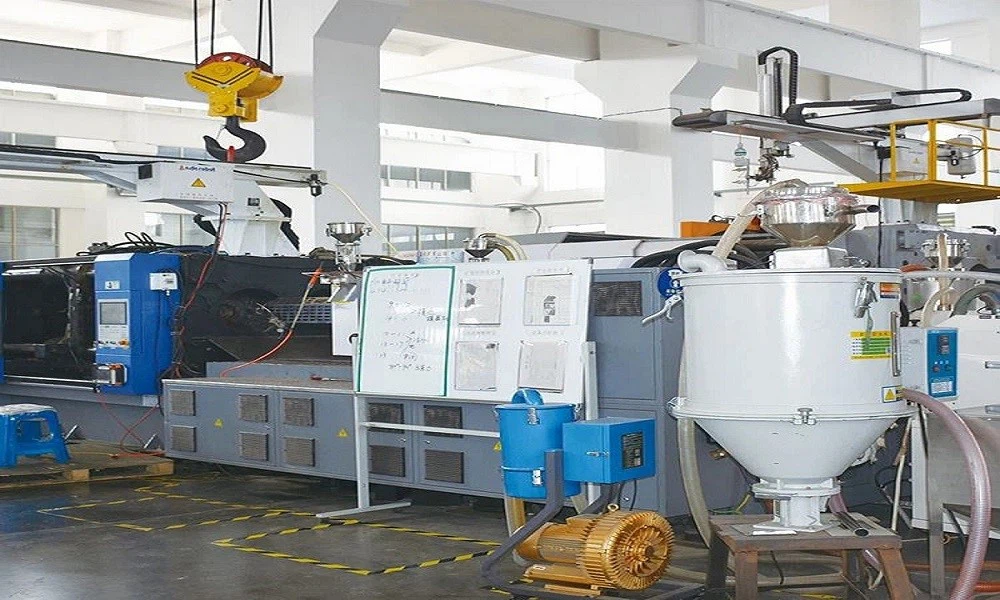
Our factory
Danyang Uniworld Industrial co.,ltd, founded in 2016 in the "integrity-based, market Founding" purposes, with talent, information, quality, efficiency as the fundamental, have been providing our clients with first-class products and services. In the future, we will keep improving the product chain and being efficient, we are sure, our standardized management ,Excellent quality, perfect service and reasonable prices and most of all, our sincere attitude to work, can bloom into a famous and professional brand!
FAQ
Hot Tags: bus driver seat, China, suppliers, manufacturers, factory, customized, wholesale, buy, in stock, bus relay, bus strut parts, bus shock absorber parts, bus fuse box, bus ignition coil parts, bus electrical parts
Send Inquiry
