
Why Choose Us
Cost Effective Services
In the "integrity-based, market Founding" purposes, with talent, information, quality, efficiency as the fundamental, have been providing our clients with first-class products and services. In the future, we will keep improving the product chain and being efficient, we are sure, our standardized management ,Excellent quality, perfect service and reasonable prices and most of all, our sincere attitude to work, can bloom into a famous and professional brand!
Long Standing Relationships
Trust is the foundation of all relationships. We earn our client’s trust with consistent delivery of excellent service and intelligent, personable interaction.
Timely Communication
We deliver a steady flow of updates combined with mindfully responsive answers to client questions. Our goal is to preempt the ask.
OUR SERVICE
We hope you will come to visit our factory. Our professional reception staff will make you enjoy the jorney. No matter how big or small the final order is, We will give you the best products to ensure that they are safe and your experience in our company will impress you deeply. Welcome to visit our factory and develop business together.
-

BUMPER APRON RH&LH 17-ON(CHROME)
Product Name: BUMPER APRON RH&LH 17-ON(CHROME). OE REF.: 76081-E0180 CHROME, 76081-E0080 CHROME. Truck Model: Hino 700/FROFIA 2017-ON Add to Inquiry -
BUMPER APRON RH&LH 17-ON(MAT-WHITE)
Product Name: BUMPER APRON RH&LH 17-ON(MAT-WHITE). OE REF.: 76081-E0180 WHITE. Truck Model: Hino 700/FROFIA 2017-ON Add to Inquiry -
BUMPER APRON RH&LH 17-ON(HIGH CHROME)
Product Name: BUMPER APRON RH&LH 17-ON(HIGH CHROME). OE REF.: 76081-E0230 CHROME, 76081-E0130 CHROME. Truck Model: Hino 700/FROFIA 2017-ON Add to Inquiry -
BUMPER APRON RH&LH 17-ON(HIGH MAT-WHITE)
Product Name: BUMPER APRON RH&LH 17-ON(HIGH MAT-WHITE). OE REF.: 76081-E0230 WHITE, 76081-E0130 WHITE. Truck Model: Hino 700/FROFIA 2017-ON Add to Inquiry -
BUMPER APRON CENTER 17-ON(CHROME)
Product Name: BUMPER APRON CENTER 17-ON(CHROME). OE REF.: 52711-E0130. Truck Model: Hino 700/FROFIA 2017-ON Add to Inquiry -
BUMPER APRON CENTER 17-ON(MAT-WHITE)
Product Name: BUMPER APRON CENTER 17-ON(MAT-WHITE). OE REF.: 52711-E0130 WHITE. Truck Model: Hino 700/FROFIA 2017-ON Add to Inquiry -
FRONT BUMPER RH&LH 17-ON(CHROME)
Product Name: FRONT BUMPER RH&LH 17-ON(CHROME). OE REF.: 52102-E0500/52102-E0501 CHROME, 52103-E0320/52103-E0321 CHROME. Truck Model: Hino 700/FROFIA 2017-ON Add to Inquiry -
FRONT BUMPER LH 17-ON(MAT-WHITE)
Product Name: FRONT BUMPER LH 17-ON(MAT-WHITE). OE REF.: 52103-E0320/52103-E0321 WHITE. Truck Model: Hino 700/FROFIA 2017-ON Add to Inquiry -
BUMPER RH 17-ON(MAT-WHITE)
Product Name: BUMPER RH 17-ON(MAT-WHITE). OE REF.: 52102-E0500/52102-E0501 WHITE. Truck Model: Hino 700/FROFIA 2017-ON Add to Inquiry -
BUMPER CENTER 17-ON(CHROME)
Product Name: BUMPER CENTER 17-ON(CHROME). OE REF.: 52101-E0P80 CHROME. Truck Model: Hino 700/FROFIA 2017-ON Add to Inquiry -
BUMPER CENTER 17-ON(MAT-WHITE)
Product Name: BUMPER CENTER 17-ON(MAT-WHITE). OE REF.: 52101-E0P80 WHITE. Truck Model: Hino 700/FROFIA 2017-ON Add to Inquiry -
HANDLE COVER RH&LH
Product Name: HANDLE COVER RH&LH. OE REF.: -. Truck Model: Hino 500/RANGER 2015-ON Add to Inquiry


What is GRILLE (S) 160CM
A car grille is what you'll find between the headlights of your vehicle. It's a piece of trim, often designed in a mesh pattern, that sits in front of the engine bay. There are different kinds of grilles, for example: main grilles , lower grilles, kidney grilles (only BMW have those) and fog grilles.
A grille is a very unique thing to each vehicle and will likely be designed in line with the specific shape of the front of the car. This means when you're buying a grille, it's essential you check if it will fit your vehicle.

Function of Grille (S) 160cm
The primary function of a grille is to allow your vehicle's engine to keep cool. As you drive, air is pulled through the grille which serves to provide ventilation through the engine bay. The way the grille is designed can have a considerable impact on its ability to cool the engine.
So, while a grille is a great way to improve the appearance of your vehicle, if you're shopping for car grilles it's important that you consider function over form.
What Is the Grille (S) 160cm Made Of?
Grilles can be made from a number of different materials, but the most common material you're likely to encounter is plastic. However, Zunsport normally opts for the stronger stainless steel option. Stainless steel car grilles are an especially sensible choice for anyone looking for chrome car grilles because they look great and are very durable. Stainless steel grilles resist corrosion, are easy to clean, and come up to a lustrous shine with polishing.
Car Grill Function
Air channels
- The car grill is a component that helps provide air circulation in the engine room, and air enters through the hole so that the car temperature in the engine room is adequately maintained. The grill will also help the engine cooling process using a radiator.
- If air cannot get into the grill hole properly, the car engine's temperature will increase drastically and make the engine overheat. If there is an overheating, the car could break down and have to be taken to a repair shop.
Aesthetics
- Car grills are varied in shape and always adjusted to the car's appearance to add to the aesthetic beauty of the car. The grille shape is usually maintained with the same model because it becomes an iconic car brand.
- In the past, car grills were mostly rectangular, and how to install them vertically. Well, then the grill with a horizontal design appeared. The times have indeed made the grill more diverse.
- Now the shape of the car grill has become more diverse, such as rectangles, elongated lines, or vertical lines. The most popular car grill today is the honeycomb model. This grille model is usually available on European, American, or Japanese cars.
Aerodynamics and performance
- The car grill also adds aerodynamics to the car to support the car's overall performance. Currently, most of the grill designs have minimal holes to drain air into the engine. This way, the air hitting the car's front is diverted to the side or top side.
- The presence of a cavity on the grill allows a lot of air to enter, making air resistance even greater. However, if the grille is closed, the car will become more aerodynamic.
How to Maintain Car's Grills
Prepare equipment
The tools needed to clean a car grill include a toothbrush, brush, special car shampoo, cotton icing, and wax. All equipment will be used to wipe or remove various dirt on the grill. The tools and materials needed are almost the same as when you wash a car.
Mix shampoo with water
The next step is to mix a special car shampoo by adding water. The ratio of shampoo to water is 1: 3; that is, 1 shampoo pack can be used for 3 liters of water. By using car shampoo, various impurities can be removed and cleaned quickly.
Do not use shampoo to wash your hair because it has very different functions. You can get special car shampoos at affordable prices, such as at the nearest convenience store.
Basting to the car grill
If you have mixed shampoo with water, then the next step you can take is to apply the liquid to the car grill. You can use a toothbrush with a soft brush surface to damage the paint from the car grill.
Basting should be done evenly until it reaches various hidden areas. In this way, all parts of the car grill will be spread evenly, and the shampoo will make any dirt or dust come off the grill.
Brushing process
After the basting process has been successfully carried out, the next step is to scrub all parts of the car grill. Make sure you use a toothbrush with a smooth surface and brush thoroughly not to miss any details.
Wipe with a cotton cloth
To make the car grill cleaner, you can do this by wiping it with a cotton cloth. Cotton cloth has a soft surface and is safe to use for wiping the car grill.
Using a cotton cloth can easily remove dirt and additionally will not scratch the grill as the fabric is soft. The pre-greased and brushed parts of the grill will be easier to clean and absorb by the cotton cloth.
Apply the wax
Waxing is the final step to keep your grill cool. By using wax, each part that is smeared will be shinier and will not get dirty quickly. Make sure that you don't miss any parts of the wax around the grill.
Basting should be done slowly, and make sure you pay attention to the various details needed when basting. If the basting is not done correctly, it can cause unwanted things.
Manufacturing Designs of Car Grilles
Sporty look
Grilles can give a car a sporty look by adding aggression and aerodynamic design. For example, the 2021 Toyota Supra features a sleek front grille that perfectly complements its sporty exterior.
Luxury appearance
Grilles can also enhance the luxury appearance of a car. For example, the iconic BMW kidney grille is known for its elegant and prestigious look. Plus, this luxury car grille design is a defining feature of many BMW models.
Brand identity
Grilles can also play an essential role in establishing a brand identity. For instance, the signature Lexus grille is instantly recognisable and conveys the luxury and sophistication of the brand. Lexus’ grille is named predator due to its sharp and muscular appearance.
Personalisation
Grilles can also be customised to reflect the owner’s style. For example, several car enthusiasts add aftermarket grilles to their cars to make them stand out and express their individuality.
Improved aerodynamics
Car grilles design improves a car’s aerodynamics. That said, it enhances performance and gives a sleek and modern appearance. An example of a grille that provides improved aerodynamics is that the latest Porsche Taycan features a futuristic front grille that helps to reduce drag and improve efficiency while adding to its overall aesthetic appeal.
What Is the Use of the Front Grill of a Car?
Cooling: One of the primary functions of a car's front grill is to allow air to flow into the engine compartment to help cool the engine. The air passing through the grill helps dissipate heat generated by the engine during operation.
Engine Protection: The grill acts as a barrier to prevent large debris such as rocks, branches, or other objects from entering the engine compartment and causing damage to the engine components.
Aerodynamics: The design of the front grill can also play a role in the aerodynamics of the vehicle. It can help direct airflow around the vehicle to reduce drag and improve fuel efficiency.
Styling: The front grill is also a prominent design feature of a car and can contribute to the overall aesthetic appeal of the vehicle. Different car manufacturers often use unique grill designs to differentiate their vehicles and create a distinctive look.
Safety: In some cases, the front grill may also house sensors for advanced driver assistance systems (ADAS) or other safety features. These sensors help with functions such as adaptive cruise control, collision detection, and pedestrian detection.

What is Front Panel
The front panel typically refers to the outermost covering on the front section of a vehicle that comprises various components such as the bumper, grille, headlights, fog lights, and the hood (bonnet) area. It's the first thing people notice when they see a car, and it plays an important role in the car's overall appearance, aerodynamic performance, and protection of the engine and other critical components.
How to maintain the front panel
1
Regular washing
Choose a sunny day with no wind to wash your car, and the frequency is recommended to be once a week. Use vehicle-specific car wash and avoid washing products with high alkaline content, such as washing powder or stain remover. Pay attention to the seams, welded joints or scuffed parts of the vehicle, which are prone to accumulation of dirt and rust.
2
Polish and wax
After washing your vehicle, periodically buff and wax the surface. Apply a scrubbing paste or cleaner and scrub with a towel or soft cloth. If there is no special tool, you can use a soft cloth instead for waxing.
3
Wipe the vehicle in time after rain
When the vehicle is wet by rain, it should be scrubbed immediately to avoid surface gloss loss or spots under strong sunlight. When cleaning the plastic parts painted, try to use cleaning agents.
4
Maintaining plated metal parts
Use a charcoal cleaning agent to clean the plated metal parts, and avoid scraping the dirt with hard instruments. Wax plated metal parts regularly to protect the plating from oxidation.
5
Rust prevention treatment
The seams, welded joints or abraded parts of the body are prone to rust and need to be regularly inspected and treated against rust.
6
Scratch treatment
For smaller scratches, car wax can be used. For more serious scratches, polishing is recommended.
7
Specialized cleaning and protection
For the front windshield, it can be cleaned with detergent, soapy water, or a professional glass-cleaning cleaner. When scratches appear, they can be cleaned with a specialized cleaning solution and sprayed with a protective covering for protection. When there is a large crack, it should be sent to the repair store for maintenance.
8
Pay attention to the way of closing the door
When you close the front cover, you do not need to press hard, leave about 20 centimeters and let go, let gravity push it to close naturally to avoid unnecessary damage.
How to disassemble the front panel
Open the door to be disassembled and start to remove the inner door puller trim cover. This usually involves using a small one-pronged awl or similar tool to gently pry open the gap between the trim cover and the inner pull handle, and then gradually pry open and disassemble the inner catch.
Remove the screws at the inner pull handle that hold the inner door trim panel in place. This may require the use of a T-30 spline or other appropriate tool to remove the screws, and be sure to keep the removed screws in a safe place for use during installation.
Remove the screws that secure the underside of the door interior trim panel. These are usually plastic, patterned screws that do not need to be completely removed, but can simply be turned ninety degrees clockwise with a T-30 spline.
Remove the clips that hold the inner door trim panel in place. After disassembling the above screws, there are still plastic clips that fit through the door trim panel and into the door panel. Use a large screwdriver or other tool to pry them from the edge gaps, one by one, and separate them from the door panel.
Once disassembly is complete, gently break the left and right sides of the door trim panels outward until they separate from the door panel. This step requires careful handling to avoid damaging the clips or scratching the door panel.
Note that care should always be taken not to damage or scratch the door's interior trim panel or exterior surfaces during disassembly. In addition, for some models, such as the Golf Caravan, disassembling the headliner and front lid bulkhead may require specific tools and techniques, as well as locating and loosening the fixing screws at specific locations.
Tips for selecting the front panel
Material selection
① Aluminum alloy: The front fascia, front wing panels and other parts are often made of aluminum alloy, which has the advantages of light weight, corrosion resistance and beautiful appearance. Choosing aluminum alloy can improve the safety and service life of the vehicle.
② Plastic: Bumpers, front fenders and other parts are often made of plastic, which has the function of absorbing collision energy and protecting the safety of pedestrians and passengers. It should be ensured that the plastic part has good energy absorption performance.
Manufacturing process
Choose one-piece molded front end, which can improve the handling and safety of the vehicle, and at the same time reduce the number of gaps in the body covering parts, so that the body is more beautiful and generous.
Safety considerations
Select bumpers and front fenders with good energy-absorbing performance, which can effectively absorb the collision energy and protect the safety of pedestrians and passengers.
Adaptability
Make sure the front fascia you choose is compatible with your car model, including sedan, SUV, MPV, etc. Different sizes and shapes may be required for different models. Different models may require different sizes and shapes.
Price and value for money
When choosing a front fascia for your car, it is important to consider both price and value for money. While price may be an important consideration, quality and performance should not be sacrificed in favor of low price.
Repair and Maintenance
Considering that the front panel of a car is an important part of the repair and maintenance of the car, models and materials that are easy to repair and maintain should be selected. If damage or deterioration is found, it should be replaced or repaired promptly.
What is Mud Guard Front Wheel
A mudflap or mud guard is used in combination with the vehicle fender to protect the vehicle, passengers, other vehicles, and pedestrians from mud and other flying debris thrown into the air by the rotating tire.
Mud Flaps vs. Splash Guards–What's the Difference?
Aesthetics
While everyone's entitled to their own opinion, the common consensus is that mud flaps are more aesthetically pleasing than splash guards. Mud flaps are typically molded to complement the lines of the vehicle; they're also paintable, allowing them to blend in perfectly with the body of your pickup. Compared to the oversized and flat appearance of splash guards, mud flaps are the obvious choice from an aesthetic standpoint.
Material construction
Another notable difference between mud flaps and splash guards is their construction. Mud flaps are typically manufactured from molded composites like ABS plastic, thermoplastic resin, or polypropylene, providing a rigid feel. However, splash guards are fabricated from softer compounds like polyurethane rubber.
Effectiveness
While mud flaps are suitable for smaller vehicles with less ground clearance, any full-size pickup or heavy-duty truck will benefit from the increased protection offered by splash guards. Splash guards provide more protection due to their larger size, covering a broad surface area and deflecting more debris.
Target chassis
As a general rule, mud flaps can be found on smaller chassis like passenger cars and SUVs, while splash guards are regularly seen on full-size pickups and heavy-duty trucks.
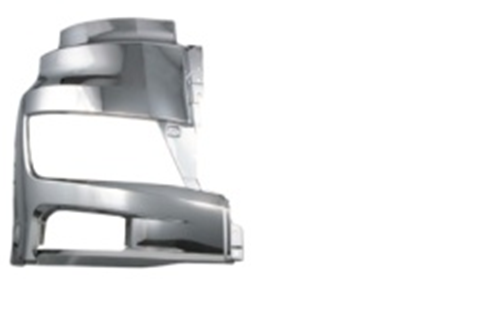
Advantages of Mud Guard Front Wheel W
Protection
Mud flaps help protect the car's bodywork and undercarriage from mud, rocks, tar, and other debris that can be kicked up by the tires while driving. This can help prevent chips, scratches, and corrosion.
Safety
Mud flaps can also improve safety by reducing the amount of debris sprayed onto following vehicles, pedestrians, and cyclists. This can help prevent accidents and keep roads cleaner.
Regulations
In some regions, mud flaps may be required by law. It's essential to check local regulations to see if your vehicle needs to have mud flaps installed to be road legal.
Aesthetics
Some drivers choose to install mud flaps for aesthetic reasons, as they can enhance the look of a vehicle and give it a more rugged or sporty appearance.
Installation Process of Mud Guard Front Wheel W?
Measure and select the correct mud flaps
• Measure the wheel wells of your vehicle to ensure you purchase the right size mud flaps.
• Many mud flaps are designed to be model-specific, so make sure to select the ones that are compatible with your car.
Prepare the installation area
• Clean the area where the mud flaps will be mounted to ensure a secure attachment.
• You may need to remove existing fasteners or trim pieces to access the proper mounting points.
Mark the mounting locations
• Position the mud flaps and use a marker or pencil to mark where the mounting holes need to be drilled.
• Be careful to avoid drilling into any vehicle components or wiring.
Drill the mounting holes
• Use a power drill to create the necessary mounting holes in the marked locations.
• Ensure the holes are properly sized for the provided mounting hardware.
Attach the mud flaps
• Line up the mud flaps with the mounting holes and secure them in place using the provided screws, bolts, and/or clips.
• Tighten the hardware securely, but be careful not to overtighten and damage the mud flaps or vehicle.
Adjust and align the mud flaps
• Position the mud flaps so they are level, straight, and have adequate clearance from the tires.
• Some mud flaps may have adjustable mounting points to help with the alignment.
Perform a final inspection
• Check that the mud flaps are firmly attached and move freely without rubbing on the tires or vehicle body.
• Test the installation by taking the vehicle for a short drive and inspecting the mud flaps again.
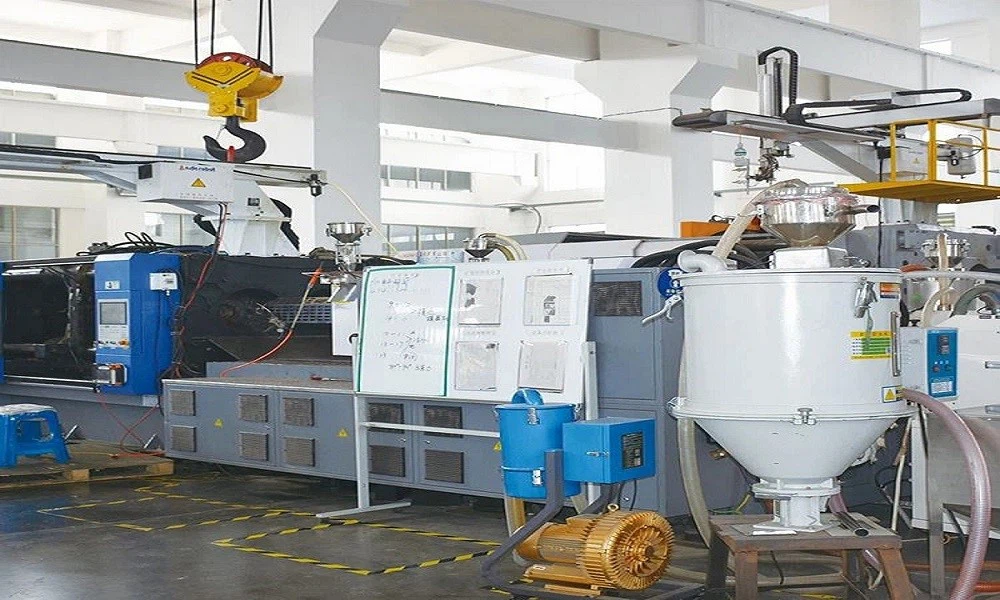
Our factory
Danyang Changjun vehicle parts co.,ltd, founded in 2016 in the "integrity-based, market Founding" purposes, with talent, information, quality, efficiency as the fundamental, have been providing our clients with first-class products and services. In the future, we will keep improving the product chain and being efficient, we are sure, our standardized management ,Excellent quality, perfect service and reasonable prices and most of all, our sincere attitude to work, can bloom into a famous and professional brand!
FAQ
We're professional truck body parts for japan manufacturers and suppliers in China, specialized in providing high quality customized products. We warmly welcome you to buy or wholesale high-grade truck body parts for japan in stock here from our factory.
truck alternator, bus cv joint parts, truck relays